


UFABET เว็บพนันออนไลน์ มาตรฐานระดับสากล ครองใจผู้เล่นทั่วเอเชีย อันดับ 1
UFABET (ยูฟ่าเบท) คือเว็บพนันออนไลน์ที่ได้รับการยอมรับอย่างกว้างขวางทั้งในประเทศไทยและต่างประเทศ จากข้อมูลของ SimilarWeb และ Google Trends พบว่า เว็บยูฟ่าเบทไทย เป็นหนึ่งในเว็บที่มีจำนวนผู้ใช้งานจริงและยอดการค้นหาสูงที่สุดในหมวดเว็บเดิมพันออนไลน์ ซึ่งสะท้อนถึงความนิยมและความไว้วางใจของผู้เล่นในระดับภูมิภาค
ยูฟ่าเบทยังติดอันดับต้น ๆ ในเอเชียตะวันออกเฉียงใต้ และมีอัตราการกลับมาใช้งานซ้ำ (Retention Rate) สูงกว่าค่าเฉลี่ยของอุตสาหกรรมกว่า 35% แสดงให้เห็นถึงความแข็งแกร่งของระบบที่พัฒนาโดยยึดแนวคิด Infrastructure-Centric Design ซึ่งให้ความสำคัญกับโครงสร้างภายในและความมั่นคงของระบบอย่างจริงจังของ UFABET เว็บตรง
UFABET เว็บเดิมพันครบวงจร ที่รวมทุกประเภทเกมไว้ในระบบเดียว ทั้งกีฬา คาสิโน สล็อต และหวยออนไลน์ ทำให้ผู้เล่นสามารถเลือกใช้งานได้อย่างสะดวกโดยไม่ต้องเปลี่ยนบัญชี
บริการหลักของ ยูฟ่าเบท เว็บชั้นนำ ประกอบด้วย
แทงบอลออนไลน์ ด้วยอัตราต่อรองที่ชัดเจน ระบบคิดผลอัตโนมัติรวดเร็ว
คาสิโนสด ถ่ายทอดจากสถานที่จริง ภาพคมชัดระดับ HD ให้บรรยากาศสมจริง
เกมสล็อตออนไลน์ ที่แสดงค่า RTP (Return to Player) อย่างโปร่งใส และมีเกมให้เลือกหลายค่าย
หวยออนไลน์ ระบบทันสมัย ตรวจสอบผลได้ชัดเจน ปลอดภัย
ด้วยระบบที่ครอบคลุมทั้งหมดนี้ เว็บพนันออนไลน์ยูฟ่าเบท จึงกลายเป็นศูนย์รวมของความบันเทิงและการลงทุนออนไลน์ ที่ผู้เล่นทั้งกลุ่มทั่วไปและผู้ที่ต้องการสร้างรายได้อย่างจริงจังให้ความไว้วางใจ
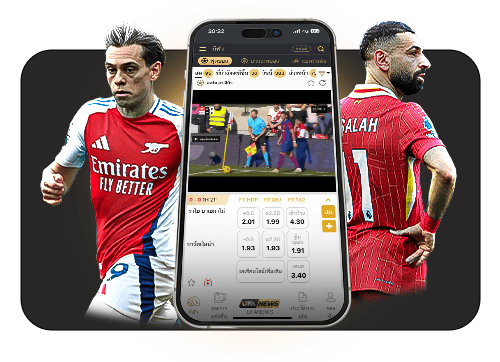

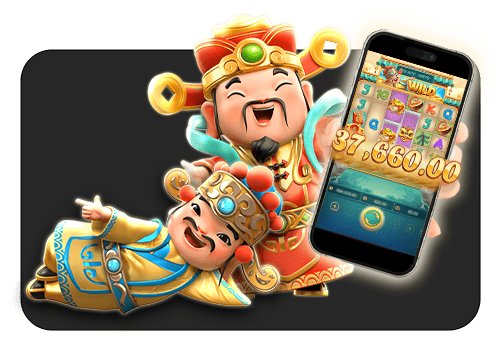

ยูฟ่าเบท แบรนด์ระดับโลกที่เข้าใจผู้เล่นมากที่สุด
เว็บเดิมพัน ยูฟ่าเบท หรือที่หลายคนรู้จักกันในชื่อ UFA ไม่ได้ถูกสร้างขึ้นเพียงเพื่อให้บริการด้านการเดิมพันออนไลน์เท่านั้น แต่พัฒนาขึ้นด้วยมาตรฐานระดับ Enterprise-Grade System ที่ให้ความสำคัญกับ User Experience ในทุกจุดของการใช้งานอย่างแท้จริง
ตั้งแต่โครงสร้างหน้าเว็บที่ออกแบบให้ใช้งานง่าย รองรับได้หลายภาษา จนถึงระบบจัดการหลังบ้านที่มีความเสถียรสูงและผ่านการทดสอบในระดับองค์กร ทำให้เว็บไซต์สามารถรองรับผู้ใช้งานได้จำนวนมากพร้อมกันโดยไม่กระทบต่อประสิทธิภาพ
จุดแข็งที่ทำให้ ยูฟ่าเบท ก้าวขึ้นมาเป็นแบรนด์ที่ได้รับการยอมรับทั่วเอเชีย คือการดำเนินงานในรูปแบบ เว็บตรง ไม่ผ่านเอเย่นต์ ทุกขั้นตอนตั้งแต่การฝาก–ถอน ไปจนถึงการวางเดิมพัน ดำเนินการด้วย ระบบออโต้ ที่มีความปลอดภัยและโปร่งใสเต็มรูปแบบ 100%
ผู้เล่นจึงมั่นใจได้ว่าทุกการใช้งานเป็นไปอย่างยุติธรรม ตรวจสอบได้จริง และได้รับการดูแลภายใต้มาตรฐานเดียวกันทั้งหมด ซึ่งสามารถตรวจสอบรายละเอียดเพิ่มเติมได้จาก รีวิวเว็บพนันออนไลน์ UFABET ที่ได้รับการจัดอันดับไว้ในหลายเว็บไซต์คุณภาพทั่วภูมิภาค
เหตุผลที่ ยูฟ่าเบท เว็บตรง ได้รับความเชื่อมั่น

เว็บตรง ไม่ผ่านเอเย่นต์ ดำเนินธุรกิจภายใต้รูปแบบ UFABET Company เพื่อสร้างระบบที่โปร่งใสและเชื่อถือได้ ผู้เล่นสามารถจัดการทุกขั้นตอนด้วยตนเองแบบ Real-Time ทั้งการฝาก–ถอน และการตั้งค่าบัญชีโดยไม่ผ่านตัวกลาง ระบบนี้ช่วยให้การใช้งานรวดเร็ว ปลอดภัย และเป็นธรรมในทุกมิติ

ระบบเสถียรภาพสูง มั่นใจทุกการใช้งาน
โครงสร้างระบบของ UFABET เว็บตรง พัฒนาด้วยเทคโนโลยี Streaming Engine มาตรฐานองค์กร รองรับผู้เล่นจำนวนมากได้พร้อมกันโดยไม่กระทบต่อความเร็วหรือคุณภาพสัญญาณ ไม่ว่าจะเป็นการเล่น คาสิโนสด หรือ เดิมพันกีฬา ผู้ใช้จึงมั่นใจได้ถึงความต่อเนื่องและเสถียรของทุกบริการ

ความปลอดภัยคือหัวใจของการดำเนินงาน
เว็บไซต์ใช้ระบบ เข้ารหัสข้อมูลขั้นสูง (Encryption System) ร่วมกับการดูแลโดยทีม Security Operation Center (SOC) ตลอด 24 ชั่วโมง เพื่อป้องกันการรั่วไหลของข้อมูลและการเข้าถึงโดยไม่ได้รับอนุญาต ทุกธุรกรรมจึงอยู่ภายใต้การคุ้มครองระดับองค์กร

ฐานผู้ใช้งาน การยอมรับในระดับนานาชาติ
UFA BET ได้รับความนิยมจากผู้เล่นในหลายประเทศ ทั้งไทย ญี่ปุ่น เวียดนาม อินโดนีเซีย จีน และบางประเทศในยุโรป ซึ่งสะท้อนถึงมาตรฐานการให้บริการที่ได้รับการยอมรับในระดับสากล และเป็นเครื่องยืนยันถึงชื่อเสียงของ ยูฟ่าเบท ในฐานะหนึ่งในแบรนด์เดิมพันออนไลน์ที่น่าเชื่อถือที่สุดในภูมิภาค
ระบบเดิมพันออนไลน์ที่พัฒนา เพื่อผู้เล่นทั่วเอเชียและต่างประเทศ
ยูฟ่า เบท พัฒนาขึ้นจากความเข้าใจในพฤติกรรมของผู้เล่นในเอเชีย พร้อมคงมาตรฐานระดับสากลในทุกขั้นตอนของการให้บริการ ระบบถูกออกแบบให้รองรับหลายภาษา ทั้ง ไทย อังกฤษ จีน ญี่ปุ่น และเวียดนาม เพื่อให้ผู้ใช้งานจากหลากหลายประเทศสามารถเข้าใช้บริการได้อย่างราบรื่นในรูปแบบเดียวกัน
ทีมบริการลูกค้า ยูฟ่าซัพพอร์ต พร้อมดูแลผู้เล่นตลอด 24 ชั่วโมง ด้วยการตอบกลับที่รวดเร็วและเข้าใจปัญหาจริงของผู้ใช้งาน ทีมงานทุกคนผ่านการอบรมด้านการให้บริการโดยตรง จึงสามารถแก้ไขและให้คำแนะนำได้อย่างตรงจุด ช่วยให้การเล่นเป็นไปอย่างต่อเนื่องโดยไม่สะดุด
สำหรับผู้เล่นชาวไทย เว็บยูฟ่าเบท ได้รับการยอมรับว่าเป็นเว็บที่ ใช้งานง่ายและเชื่อถือได้ ระบบการเงินรองรับทุกธนาคารในประเทศ รวมถึง QR Code Payment ที่ทำให้การ ฝาก–ถอนออโต้ เสร็จสิ้นภายในไม่ถึงหนึ่งนาที เพิ่มทั้งความสะดวกและความมั่นใจในทุกธุรกรรมทางการเงิน
Sports Book (เดิมพันกีฬา)
แทงบอล UFABET ราคาบอลดีที่สุด ครบทุกลีกทั่วโลก
ในปัจจุบัน เว็บยูฟ่าเบท (UFABET) ได้รับการจัดอันดับให้เป็นหนึ่งใน แทงบอลเว็บตรง ไม่ผ่านเอเย่นต์ ที่มีจำนวนสมาชิกมากที่สุดในเอเชีย จากข้อมูลของ Asia Gambling Index ล่าสุด ระบุว่า ยูฟ่าเบทมีค่าเฉลี่ยการใช้งานซ้ำ (Retention Rate) สูงถึง 74% และให้ ค่าน้ำ 4 ตังค์ ซึ่งถือว่าดีกว่าค่าเฉลี่ยของเว็บทั่วไปอย่างชัดเจน ทำให้ผู้เล่นได้รับผลตอบแทนคุ้มค่ากว่ามาตรฐานโดยรวมของตลาด
ไม่ว่าจะเป็นนักเดิมพันมืออาชีพหรือลูกค้าที่ต้องการใช้ข้อมูลเชิงสถิติในการวิเคราะห์ แทงบอล UFA BET ก็มีระบบที่ออกแบบมาอย่างครบถ้วนเพื่อตอบสนองทุกความต้องการ เช่น
ตารางการแข่งขันสด (Live Match Schedule) ที่อัปเดตแบบเรียลไทม์
การแสดง ค่าน้ำแบบ Dynamic Odds ที่ปรับตามสถานการณ์จริง
สถิติก่อนเกมที่ละเอียดและเชื่อถือได้
ระบบถ่ายทอดสดที่ซิงก์กับราคาต่อรองแบบ Real-Time อย่างแม่นยำ
สำหรับผู้ที่ยังสงสัยว่า “แทงบอลออนไลน์ ยูฟ่าเบท คืออะไร และเหมาะกับใคร” คำตอบคือ การเดิมพันรูปแบบนี้คือการวางผลการแข่งขันฟุตบอลผ่านระบบออนไลน์ โดย UFA BET พัฒนาระบบให้การแทงบอลไม่ใช่แค่การเสี่ยงโชค แต่เป็นการใช้ข้อมูล วิเคราะห์ และวางแผนอย่างมีหลักการ เพื่อเพิ่มความแม่นยำและโอกาสในการทำกำไรระยะยาว
ทำไมค่าน้ำบอลถึงสำคัญ
ในการเดิมพันฟุตบอล ค่าน้ำคือปัจจัยหลักที่มีผลต่อผลตอบแทนของผู้เล่น ยูฟ่าเบท ใช้ระบบที่หักค่าน้ำน้อยที่สุด เพื่อให้ผู้เล่นได้รับผลกำไรสูงสุดในทุกบิล นี่คือจุดต่างที่ทำให้หลายเว็บทั่วไปเทียบไม่ได้ และเป็นเหตุผลสำคัญที่ทำให้ แทงบอลออนไลน์ UFABET ยังคงเป็นตัวเลือกอันดับต้น ๆ ของผู้เล่นทั่วเอเชีย
แทงบอลทั่วโลก ครบทุกลีกในระบบเดียวกับ UFABET
หนึ่งในจุดเด่นที่ทำให้ ยูฟ่าเบท (UFABET) เป็นผู้นำด้าน แทงบอลออนไลน์ ในเอเชีย คือการเปิดให้เดิมพันครบทุกลีกจากทั่วโลก ไม่ว่าจะเป็นลีกใหญ่ของยุโรปอย่าง Premier League, La Liga, Serie A, Bundesliga หรือ UEFA Champions League รวมถึงลีกในภูมิภาคเอเชีย เช่น J-League, Thai League, K-League และลีกจากตะวันออกกลาง
ระบบของ UFABET เว็บตรง ถูกออกแบบให้เชื่อมต่อข้อมูลการแข่งขันแบบเรียลไทม์ พร้อม ตารางแข่งขันสด (Live Match Schedule) ที่อัปเดตตลอด 24 ชั่วโมง รวมถึงการแสดง Dynamic Odds หรือค่าน้ำที่เปลี่ยนแปลงตามสถานการณ์จริงในเกมอย่างแม่นยำ เหมาะสำหรับผู้เล่นที่ต้องการวิเคราะห์เชิงลึกก่อนตัดสินใจเดิมพันในทุกคู่
แทงบอลสดแบบเรียลไทม์ ด้วยระบบ Live Betting มาตรฐานสากล
ระบบ แทงบอลสด (Live Betting) ของ ยูฟ่าเบท (UFABET) ได้รับการพัฒนาให้ทำงานควบคู่กับ ระบบถ่ายทอดสดแบบ Live Streaming Sync ทำให้ผู้เล่นสามารถดูเกมและวางเดิมพันไปพร้อมกันในเวลาเดียวกัน เห็นราคาที่ปรับขึ้นลงแบบ Real-Time ตามสถานการณ์ในสนามจริง
ข้อมูลประกอบถูกจัดแสดงอย่างละเอียด ทั้ง สถิติการครองบอล, จำนวนการยิงตรงกรอบ, และ จำนวนฟาวล์สะสม เพื่อช่วยให้การวิเคราะห์เกมเป็นไปอย่างมีหลักการมากขึ้น การผสานระหว่างข้อมูลแบบเรียลไทม์และระบบถ่ายทอดสด ทำให้การ แทงบอลสด UFABET มีทั้งความแม่นยำ ความยุติธรรม และความตื่นเต้นในทุกช่วงของการแข่งขัน
บอลเดี่ยวหรือบอลสเต็ป แบบไหนเหมาะกับคุณมากกว่ากัน
- บอลเดี่ยว (Single Match Betting)
เหมาะสำหรับผู้ที่ต้องการวิเคราะห์คู่เดียวอย่างละเอียด เน้นความแม่นยำ แทงง่าย จบไว และมีความเสี่ยงต่ำกว่า เหมาะกับผู้ที่ต้องการควบคุมเงินเดิมพันและติดตามผลได้ทันทีในเกมเดียว - บอลสเต็ป (Mix Parlay)
คือการแทงบอลหลายคู่ในบิลเดียว ซึ่งแม้จะมีความเสี่ยงมากกว่า แต่ผลตอบแทนก็สูงขึ้นตามจำนวนคู่ที่เลือก เหมาะสำหรับผู้เล่นที่มีความเข้าใจในทีมและลีกต่าง ๆ รวมถึงต้องการผลกำไรที่มากกว่าในแต่ละรอบเดิมพัน
โปรโมชันแทงบอลและสิทธิพิเศษจากเว็บบอลยูฟ่า
อีกหนึ่งความโดดเด่นของ UFA BET เว็บตรง คือระบบผลตอบแทนที่ให้ความคุ้มค่ากับผู้เล่นอย่างต่อเนื่อง โดยเว็บไซต์มีการ คืนค่าคอมมิชชัน 0.5% ทุกยอดเดิมพัน ไม่ว่าผลการแข่งขันจะชนะหรือแพ้ ผู้เล่นยังได้รับผลตอบแทนกลับคืนในทุกบิลที่เล่น
นอกจากนี้ยังมี โปรโมชันพิเศษ สำหรับสมาชิกใหม่ รวมถึงกิจกรรมเติมเงินรายวัน และโบนัสสะสมที่อัปเดตตลอดทั้งเดือน สิ่งเหล่านี้ช่วยเพิ่มมูลค่าให้กับการเล่นในทุกครั้ง และสะท้อนแนวทางของ ยูฟ่าเบท ที่ต้องการให้ผู้ใช้ได้รับประโยชน์สูงสุดจากทุกการเดิมพัน
ตาราง ราคาบอล เว็บยูฟ่าเบท ครบทุกประเภท
ประเภทค่าน้ำ (Odds Format) | ตัวอย่างค่าน้ำ | วิธีคำนวณผลตอบแทน |
| ค่าน้ำมาเลย์ (MY) | -0.95 / 0.80 | แทง 100 หากแพ้เสีย 95 (ค่าน้ำแดง), หากชนะได้ 80 (ค่าน้ำดำ) |
| ค่าน้ำฮ่องกง (HK) | 0.95 / 1.20 | แทง 100 ได้กำไร 95 หรือ 120 ไม่รวมทุน |
| ค่าน้ำยุโรป (EU) | 1.95 / 2.20 | แทง 100 ได้คืน 195 หรือ 220 รวมทุน |
| ค่าน้ำอินโดนีเซีย (ID) | -1.05 / 1.25 | ลักษณะคล้ายค่าน้ำมาเลย์ แต่กลับทิศทางของการคำนวณ |
| ค่าน้ำอเมริกัน (US) | -105 / +125 | ค่าน้ำ -105 หมายถึง แทง 105 ได้ 100 ส่วน +125 หมายถึง แทง 100 ได้ 125 |
หมายเหตุเพิ่มเติม:
ยูฟ่าเบท รองรับค่าน้ำครบทุกประเภท ผู้เล่นสามารถเลือกใช้งานตามความถนัดได้จากหน้าเดิมพันโดยตรง ซึ่งระบบจะคำนวณผลตอบแทนให้แบบอัตโนมัติทันทีหลังจบการแข่งขัน
Casino Online (คาสิโน)
คาสิโนออนไลน์ UFABET ถ่ายทอดจากสตูดิโอจริง มาตรฐานระดับโลก
ในช่วงไม่กี่ปีที่ผ่านมา วงการ คาสิโนออนไลน์ เติบโตอย่างรวดเร็ว โดยรูปแบบที่ได้รับความนิยมสูงสุดคือ คาสิโนสด (Live Casino) ซึ่งผสานความสะดวกของระบบออนไลน์เข้ากับความสมจริงจากบ่อนจริงได้อย่างลงตัว สำหรับผู้เล่นชาวไทย ชื่อของ UFA CASINO ถือเป็นหนึ่งในเว็บที่ได้รับการยอมรับมากที่สุด ทั้งในด้านความเสถียร โปร่งใส และความน่าเชื่อถือของระบบ
ข้อมูลจาก DataReportal ล่าสุดระบุว่า ผู้เล่นชาวไทยกว่า 63% ให้ความสำคัญกับบริการคาสิโนสด และกว่า 45% ของกลุ่มนี้เชื่อมั่นว่า คาสิโนยูฟ่าเบท คือผู้ให้บริการที่มีมาตรฐานสูงสุดในด้านเทคโนโลยีและความปลอดภัย
คาสิโนสดคืออะไร?
คาสิโนสด (Live Casino) คือการเดิมพันผ่านระบบออนไลน์ที่ผู้เล่นสามารถโต้ตอบกับ ดีลเลอร์จริง (Live Dealer) ได้แบบเรียลไทม์ ผ่านการถ่ายทอดสดจากสตูดิโอระดับนานาชาติ ระบบนี้สร้างบรรยากาศเสมือนอยู่ในคาสิโนจริง แต่สะดวกกว่าด้วยการเล่นได้จากทุกที่ ทุกเวลา
จุดเด่นของคาสิโนยูฟ่าเบท
ระบบ Live Streaming ของ UFABET รองรับความคมชัดระดับ Full HD พร้อมเสียงสองภาษา และอินเทอร์เฟซที่ออกแบบให้ใช้งานง่ายทั้งบนมือถือและคอมพิวเตอร์ ผู้เล่นสามารถสลับโต๊ะได้ทันทีโดยไม่ดีเลย์ ระบบมีเสถียรภาพสูง เล่นต่อเนื่องได้อย่างลื่นไหล
เกมคาสิโนสดยอดนิยมจาก คาสิโนยูฟ่าเบท ที่ผู้เล่นเลือกมากที่สุด

บาคาร่า (Baccarat)
หนึ่งในเกมไพ่ที่ได้รับความนิยมสูงสุดในหมวดคาสิโนสด ด้วยกติกาที่เข้าใจง่าย ใช้เวลาเล่นไม่นาน และมีโต๊ะให้เลือกหลายระดับตามงบประมาณของผู้เล่น ระบบของ ยูฟ่าเบท ยังแสดงสถิติย้อนหลังแบบละเอียด ช่วยให้สามารถวิเคราะห์แนวโน้มและวางเดิมพันได้อย่างมีหลักการมากขึ้น

เสือมังกร (Dragon Tiger)
เกมไพ่ที่เน้นความรวดเร็วและการตัดสินใจเฉียบคม ใช้ไพ่เพียงใบเดียวในการตัดสินผล ชัดเจน ไม่ซับซ้อน เหมาะกับผู้ที่ชอบเกมสั้น ๆ แต่ยังคงความตื่นเต้นในทุกวินาที

รูเล็ต (Roulette)
เกมวงล้อสุดคลาสสิกที่เปิดให้เดิมพันได้หลากหลายรูปแบบ ทั้งตัวเลขเดี่ยว คู่–คี่ หรือสีแดง–ดำ ระบบถ่ายทอดสดของ UFABET คาสิโนสด แสดงผลการหมุนแบบเรียลไทม์ เพิ่มความโปร่งใสและสร้างบรรยากาศใกล้เคียงคาสิโนจริง

ไฮโล (Sic Bo)
เกมลูกเต๋าที่ผู้เล่นชาวไทยคุ้นเคยเป็นอย่างดี ถูกพัฒนาให้ทันสมัยด้วยกระดานเดิมพันแบบอินเทอร์แอคทีฟ และระบบเสียงประกาศผลที่คมชัดทุกตา ทำให้การเล่นมีทั้งความสนุกและความมั่นใจในทุกการเดิมพัน
จุดเด่นสำคัญของ ยูฟ่าคาสิโนสดออนไลน์ ที่แตกต่างอย่างมืออาชีพ
ภาพคมชัดระดับ Full HD
ระบบถ่ายทอดสดของ ยูฟ่าเบท ใช้เทคโนโลยีเดียวกับผู้ให้บริการสตรีมมิงระดับโลก ภาพคมชัด เสียงชัดเจน และมีความเสถียรสูงตลอดการเล่น ผู้เล่นจึงสัมผัสบรรยากาศของ คาสิโนสด ได้อย่างสมจริงโดยไม่มีการสะดุดหรือหน่วงระหว่างเกม
ความโปร่งใสในทุกขั้นตอน
ทุกการแจกไพ่ การหมุนวงล้อรูเล็ต หรือการเขย่าไฮโล ถ่ายทอดแบบ Real-Time โดยไม่มีการตัดต่อหรือแทรกสัญญาณ ผู้เล่นสามารถมองเห็นทุกจังหวะได้ชัดเจนในทุกโต๊ะเดิมพัน มั่นใจได้ว่าทุกเกมดำเนินไปอย่างโปร่งใสและตรวจสอบได้จริง
ดีลเลอร์มืออาชีพ
ดีลเลอร์ทุกคนผ่านการคัดเลือกและฝึกอบรมตามมาตรฐานสากล เข้าใจรูปแบบการดำเนินเกมและการสื่อสารกับผู้เล่นอย่างมืออาชีพ บรรยากาศในห้องเกมจึงเต็มไปด้วยความเป็นมิตรและสมจริง เหมือนอยู่ในคาสิโนระดับพรีเมียม
รองรับทุกอุปกรณ์
ไม่ว่าจะใช้งานบน iOS, Android, Windows หรือ macOS ผู้เล่นสามารถเข้าสู่ระบบของ UFA BET ได้ทันทีโดยไม่ต้องติดตั้งโปรแกรมเพิ่มเติม ระบบได้รับการออกแบบให้ตอบสนองรวดเร็ว รองรับการเล่นผ่านมือถือและคอมพิวเตอร์อย่างเต็มประสิทธิภาพ
ข้อดีของคาสิโนสด เมื่อเทียบกับคาสิโนแบบดั้งเดิม
คาสิโนสดออนไลน์ มอบประสบการณ์การเล่นที่มีความโปร่งใสและมั่นใจมากกว่าระบบสุ่มแบบ RNG (Random Number Generator) เนื่องจากทุกการเดิมพันถ่ายทอดสดแบบเรียลไทม์ ผู้เล่นสามารถมองเห็นการดำเนินเกมและโต้ตอบกับ ดีลเลอร์จริง (Live Dealer) ได้โดยตรง ช่วยให้บรรยากาศของการเล่นมีชีวิตชีวาและสมจริงยิ่งขึ้น
นอกจากนี้ ระบบคาสิโนสดยังเปิดโอกาสให้ผู้เล่นได้พัฒนาทักษะการอ่านเกม วิเคราะห์สถานการณ์ และวางแผนการเล่นอย่างเป็นระบบ ไม่ว่าจะเป็นผู้เล่นใหม่ที่กำลังเรียนรู้วิธีเดิมพัน หรือผู้ที่ต้องการยกระดับกลยุทธ์การเล่นขั้นสูง ล้วนสามารถใช้ระบบนี้ในการฝึกฝนและสร้างความเข้าใจในเกมได้ลึกซึ้งกว่าเดิม
ด้วยองค์ประกอบเหล่านี้ คาสิโนสดยูฟ่าเบท (UFA BET Live Casino) จึงกลายเป็นรูปแบบการเดิมพันที่ได้รับความนิยมเพิ่มขึ้นอย่างต่อเนื่อง ทั้งจากความโปร่งใส ความสมจริง และระบบที่ตอบสนองต่อผู้เล่นในแบบที่คาสิโนทั่วไปไม่สามารถให้ได้
ตารางเปรียบเทียบ ค่ายคาสิโนออนไลน์ยูฟ่าเบท
| รายการเปรียบเทียบ | Sexy Gaming | SA Gaming | Evolution Gaming |
|---|---|---|---|
| จุดเด่น | ดีลเลอร์สาวสวย บรรยากาศสนุก ผ่อนคลาย | ระบบเสถียรสูง มีสถิติย้อนหลังละเอียด | มาตรฐานระดับโลก เกมหลากหลาย ห้องเล่นหลายรูปแบบ |
| ประเภทเกมหลัก | บาคาร่า, เสือมังกร, รูเล็ต, ไฮโล | บาคาร่า, เสือมังกร, รูเล็ต, ไฮโล | Baccarat, Lightning Roulette, Game Show |
| คุณภาพการถ่ายทอดสด | ภาพคมชัดระดับ Full HD พร้อมเสียงภาษาไทย | ระบบชัดเจน เสถียร รองรับการเล่นบนมือถือเต็มรูปแบบ | Ultra HD พร้อมมุมกล้องหลายตำแหน่งและเสียงภาษาอังกฤษ |
| จุดเด่นเฉพาะของระบบ | เล่นได้หลายโต๊ะพร้อมกัน ดีลเลอร์เต้นระหว่างรอบ | โหมดซูเปอร์ซิก และฟีเจอร์อ่านเค้าไพ่ลึก | เกมโชว์สด Multi-Camera และโบนัสสุ่มในบางเกม |
| เหมาะกับผู้เล่นประเภทใด | เหมาะกับผู้เล่นที่ชอบความบันเทิงและบรรยากาศสบาย ๆ | เหมาะกับผู้ที่เน้นการวิเคราะห์และสถิติ | เหมาะกับผู้เล่นที่ชอบความแปลกใหม่และความหลากหลายของเกม |
| ภาษาที่รองรับ | ไทย, อังกฤษ | ไทย, อังกฤษ | อังกฤษ, จีน, ญี่ปุ่น, เยอรมัน |
Slot Online (เกมสล็อต)
สล็อตออนไลน์ ยูฟ่าเบท รวมเกมสล็อตแตกง่าย เล่นได้กว่าพันเกม
หมวด เกมคาสิโนออนไลน์ หนึ่งในประเภทที่ได้รับความนิยมอย่างต่อเนื่องคือ สล็อตออนไลน์ (Online Slots) จุดเด่นของเกมนี้คือรูปแบบการเล่นที่เข้าใจง่าย ไม่ต้องใช้ทักษะซับซ้อน แต่ให้ความสนุกและโอกาสทำกำไรได้จริง โดยเฉพาะบนระบบของ สล็อตยูฟ่าเบท ซึ่งขึ้นชื่อว่าเป็นหนึ่งในผู้ให้บริการเกมสล็อตที่ แตกง่ายที่สุด และมีเกมให้เลือกมากที่สุดในภูมิภาคเอเชีย
จากข้อมูลของ Slot Industry Report ล่าสุด ระบุว่า ยูฟ่าเบท (UFA BET) มีเกมสล็อตจากค่ายชั้นนำมากกว่า 1,000 เกม พร้อมอัตราการจ่ายโบนัสเฉลี่ย (Bonus Payout Rate) อยู่ที่ 94% – 97% ซึ่งสูงกว่าค่าเฉลี่ยของตลาดโลก (Global RTP) อย่างเห็นได้ชัด
สล็อตแตกง่ายคืออะไร?
“สล็อตแตกง่าย (Easy Win Slot)” หมายถึงเกมสล็อตที่ถูกออกแบบให้มีโอกาสชนะสูงและโบนัสออกบ่อย ทั้งรูปแบบ ฟรีสปิน (Free Spin) และ แจ็กพอต (Jackpot) ที่เพิ่มมูลค่ารางวัลให้มากขึ้นหลายเท่าในเวลาอันสั้น จึงเป็นหนึ่งในเหตุผลที่ผู้เล่นส่วนใหญ่เลือกเล่นสล็อตกับ UFABET
ยูฟ่าเบทสล็อต รวมทุกค่ายสล็อตแตกง่าย ไว้ในระบบเดียวครบที่สุด

PG Soft (Pocket Games Soft)
หรือที่หลายคนรู้จักในชื่อ พีจีสล็อต จุดเด่นคือกราฟิกสวย สีสันสดใส และธีมเกมที่หลากหลาย เช่น Fortune Mouse, Mahjong Ways และ Leprechaun Riches ทุกเกมพัฒนาโดยทีมมืออาชีพระดับโลก เน้นความเสถียรของระบบและอัตราการจ่ายที่เป็นธรรม

Joker Gaming
ค่ายสล็อตยอดนิยมที่ขึ้นชื่อเรื่อง แจ็กพอตแตกง่าย และระบบเกมที่เข้าใจง่าย เกมเด่นอย่าง Roma และ Chilli Hunter เป็นที่รู้จักในหมู่นักเล่นสล็อตทั่วเอเชีย ด้วยรูปแบบการเล่นที่ไม่ซับซ้อนแต่ให้ผลตอบแทนคุ้มค่า
Pragmatic Play
ค่ายเกมที่เน้นความเร็วและความตื่นเต้นในการเล่น มีจุดเด่นด้าน ฟรีสปินออกบ่อย และระบบ ซื้อโบนัส (Feature Buy) ที่เพิ่มโอกาสทำกำไรได้ทันที ตัวอย่างเกมยอดนิยม ได้แก่ Sweet Bonanza และ The Dog House ที่ได้รับความนิยมอย่างต่อเนื่องในระดับสากล

UFASLOT
แบรนด์ภายในเครือ ยูฟ่าเบท (UFABET) ที่รวบรวมเกมสล็อตทั้งแนวคลาสสิกและทันสมัย รองรับผู้เล่นทุกกลุ่ม ไม่ว่าจะเป็นสายลุ้นโบนัสหรือสายชอบกราฟิกสวย ระบบของ UFASLOT ได้รับการออกแบบให้เล่นง่าย และเชื่อมต่อได้อย่างเสถียรบนทุกอุปกรณ์
ตารางเปรียบเทียบค่าย เกมสล็อตยูฟ่าเบท
| รายการเปรียบเทียบ | PG Slot | Joker Gaming | Pragmatic Play |
|---|---|---|---|
| ค่าเฉลี่ย RTP (Return to Player) | 96.5% – 97.2% | 95.0% – 96.5% | 96.5% – 97.0% |
| อัตราการแตกของโบนัส (Bonus Rate) | แตกบ่อยในเกมยอดนิยม เช่น Lucky Neko | แตกหนักในบางเกม เช่น Roma | แตกต่อเนื่อง เสถียร พร้อมระบบซื้อฟีเจอร์จำนวนมาก |
| จุดเด่นของระบบเกม | ภาพสวยระดับพรีเมียม การเคลื่อนไหวลื่นไหล มีฟรีสปินสุ่มในหลายเกม | เล่นง่าย จบไว ระบบสะสมคอมโบเพิ่มรางวัล | ซื้อฟรีสปินได้ (Feature Buy) และมี Super Bonus ในบางเกม |
| เหมาะกับผู้เล่นประเภทใด | เหมาะกับผู้เล่นใหม่ที่ชอบกราฟิกสวยและเกมเข้าใจง่าย | เหมาะกับผู้ที่ชอบการหมุนเร็ว เล่นหลายรอบต่อบิล | เหมาะกับสายทำกำไรที่วางแผนโบนัสและชอบเกมมีระบบเสริม |
| รองรับการใช้งานบนมือถือ | ✅ รองรับทั้ง iOS และ Android | ✅ รองรับทั้ง iOS และ Android | ✅ รองรับทั้ง iOS และ Android |
| เกมยอดนิยม | Lucky Neko, Mahjong Ways, Treasures of Aztec | Roma, Chilli Hunter, Black Beard Legacy | Sweet Bonanza, Gates of Olympus, The Dog House |
R1UFABET (Special Bet)
R1UFABET บริการเดิมพันกีฬาเฉพาะ ภายใต้มาตรฐาน ยูฟ่าเบท
หนึ่งในกลยุทธ์สำคัญที่ทำให้เครือ UFABET สามารถขยายฐานผู้เล่นได้อย่างกว้างขวาง คือการเปิดบริการ R1UFABET (อาร์วันยูฟ่าเบท) ซึ่งพัฒนาขึ้นเพื่อรองรับกลุ่มผู้ที่ชื่นชอบ กีฬาเฉพาะทาง โดยเฉพาะ ไม่ว่าจะเป็น แทงมวยออนไลน์, แทงวัวชน, ไก่ชนออนไลน์, หรือ แทงวอลเลย์บอลสด
ข้อมูลจาก Digital Behavior Lab ระบุว่า ผู้ใช้งานชาวไทยกว่า 28% ให้ความสนใจกีฬาที่ไม่ใช่ฟุตบอล และมองหาเว็บที่มีระบบเฉพาะทางเพื่อตอบโจทย์ความต้องการนั้น ซึ่ง R1UFA BET จึงถูกออกแบบมาเพื่อกลุ่มนี้โดยตรง ทั้งในด้านระบบ การถ่ายทอดสด และโครงสร้างการเดิมพันที่เข้าใจง่ายแต่ครบถ้วน
R1UFA BET คืออะไร?
R1UFA BET คือบริการที่ขยายออกมาจากระบบหลักของ ยูฟ่าเบท (UFABET) โดยใช้โครงสร้างความปลอดภัยเดียวกัน (Unified Security Infrastructure) แต่เน้นให้บริการในกลุ่มกีฬาพื้นบ้านและกีฬาท้องถิ่น เช่น มวยไทย, วัวชน, ไก่ชน รวมถึงกีฬายอดนิยมอย่าง วอลเลย์บอล เพื่อให้ผู้เล่นได้รับประสบการณ์การเดิมพันที่เฉพาะทางมากขึ้น
กีฬาพื้นบ้านและกีฬาเฉพาะทางที่มีให้เดิมพันเฉพาะใน R1UFA เท่านั้น

แทงมวยออนไลน์
ระบบเดิมพันมวยของ R1UFA ถ่ายทอดสดจากเวทีมวยมาตรฐานระดับประเทศ เช่น ราชดำเนิน, ลุมพินี และเวทีภูธรทั่วไทย ผู้เล่นสามารถเลือกเดิมพันได้ทั้งแบบ ยกต่อยก หรือ เต็มเวลา พร้อมราคาต่อรองที่อัปเดตตามสถานการณ์จริง เหมาะสำหรับแฟนมวยไทยตัวจริงและผู้ที่ติดตามศึก มวย R1 อย่างใกล้ชิด

แทงวัวชนออนไลน์
อีกหนึ่งกีฬาเฉพาะทางที่ได้รับความนิยมอย่างต่อเนื่อง ถ่ายทอดสดตรงจากสนามจริงในภาคใต้ พร้อมข้อมูล สถิติการชนวัวก่อนเกม และราคาต่อรองที่ขยับแบบ Real-Time ครอบคลุมทั้งรายการ วัวชน R1 และการแข่งขันกีฬาท้องถิ่นภายใต้ระบบ UFA ที่ได้มาตรฐานระดับองค์กร

เดิมพันไก่ชนออนไลน์
สำหรับผู้ที่ชื่นชอบ ไก่ชน R1 หรือการแข่งขันจากบ่อนไก่ชื่อดัง ระบบของ R1UFA ถ่ายทอดสดจากสนามจริงทุกคู่ มาพร้อมฟังก์ชัน รีเพลย์และไฮไลต์ย้อนหลัง รวมถึงราคาต่อรองแบบเรียลไทม์ เพื่อให้ผู้เล่นวางเดิมพันได้อย่างมั่นใจในทุกแมตช์ ด้วยระบบที่โปร่งใสและตรวจสอบได้

แทงวอลเลย์บอล
ระบบของ R1BET เปิดให้เดิมพันวอลเลย์บอลทั้งระดับทีมชาติและลีกต่างประเทศแบบครบวงจร มี Live Score, สถิติย้อนหลัง, และระบบแสดงราคาต่อรองแบบอัตโนมัติ เหมาะกับผู้ที่ติดตามการแข่งขัน วอลเลย์บอลสด และต้องการวิเคราะห์เกมแบบเรียลไทม์เพื่อเพิ่มความแม่นยำในการเดิมพัน
R1BET ระบบทันสมัย อัปเดตเรียลไทม์ มั่นใจทุกการใช้งาน
- อัปเดตราคาทันที (Real-Time Update)
ระบบของ R1BET ออกแบบให้ข้อมูลราคาต่อรองและผลการแข่งขันอัปเดตแบบเรียลไทม์ ช่วยให้ผู้เล่นสามารถวิเคราะห์และวางเดิมพันได้อย่างแม่นยำตลอดเวลา - ความมั่นคงทางการเงินระดับยูฟ่าเบท
R1BET ใช้ระบบธุรกรรมเดียวกับ เว็บพนันออนไลน์ยูฟ่าเบท (UFABET) รองรับทั้งบัญชีธนาคารในประเทศและ QR Code Payment ทุกการฝาก–ถอนดำเนินการแบบอัตโนมัติภายในไม่เกินหนึ่งนาที เพิ่มความสะดวกและความมั่นใจให้กับผู้ใช้งานทุกระดับ - อินเทอร์เฟซใช้งานง่าย รองรับสองภาษา
หน้าเว็บและระบบเดิมพันของ R1BET ออกแบบให้ใช้งานได้ง่าย ทั้งบนมือถือและคอมพิวเตอร์ รองรับภาษาไทยและอังกฤษอย่างสมบูรณ์ เหมาะสำหรับผู้เล่นทุกกลุ่ม ทั้งมือใหม่และผู้ที่มีประสบการณ์ - ระบบเข้ารหัสข้อมูล (Data Encryption)
ข้อมูลผู้ใช้งานทั้งหมดถูกปกป้องด้วยเทคโนโลยีการเข้ารหัสตามมาตรฐานสากล เพื่อรักษาความปลอดภัยและความเป็นส่วนตัวของสมาชิก ป้องกันการเข้าถึงข้อมูลจากบุคคลภายนอกอย่างมีประสิทธิภาพ
R1UFA ความน่าเชื่อถือที่เติบโตภายใต้เครือยูฟ่าเบท
ด้วยการอยู่ภายใต้เครือข่ายหลักของ ยูฟ่าเบท ทำให้ R1UFABET ได้รับการยอมรับอย่างรวดเร็วในกลุ่มผู้เล่นชาวไทย โดยเฉพาะผู้ที่ชื่นชอบกีฬาพื้นบ้านและกีฬาเฉพาะทาง เช่น มวยไทย, วัวชน, และ ไก่ชน ซึ่งเป็นกลุ่มที่ให้ความสำคัญกับความโปร่งใสและความยุติธรรมของระบบเดิมพัน
R1UFA ใช้มาตรฐานเดียวกับเว็บเดิมพันกีฬาระดับโลก ทั้งในด้านความเสถียร ความรวดเร็วในการทำธุรกรรม และระบบตรวจสอบผลที่แม่นยำ ผู้เล่นจึงมั่นใจได้ว่าทุกการเดิมพันจะได้รับการดูแลภายใต้ระบบที่ปลอดภัยและโปร่งใส
นอกจากนี้ R1UFA ยังมีทีม Support Professional ให้บริการตลอด 24 ชั่วโมง ผ่านช่องทาง Live Chat, LINE Official, และ ระบบ Support Ticket เพื่อให้ผู้เล่นได้รับการช่วยเหลืออย่างรวดเร็ว ทั้งในด้านเทคนิค การใช้งาน และข้อมูลต่าง ๆ ที่เกี่ยวข้องกับการเดิมพัน
ระบบฝากถอนออโต้ ยูฟ่าเบท ทำรายการเร็วทันใจ ไม่ต้องส่งสลิป
ความรวดเร็วและความสะดวก คือหัวใจสำคัญของการให้บริการในยุคดิจิทัล ยูฟ่า เบท หรือที่หลายคนรู้จักในชื่อ UFA จึงพัฒนาระบบ ฝาก–ถอนอัตโนมัติ (Auto Deposit & Withdrawal) เพื่อเพิ่มประสิทธิภาพในการทำธุรกรรมให้ผู้เล่นสามารถจัดการได้ด้วยตนเองโดยไม่ต้องแจ้งสลิป
ระบบนี้รองรับการใช้งานกับ ทุกธนาคารชั้นนำของไทย รวมถึงการโอนผ่าน QR Code Payment ช่วยให้การฝากหรือถอนเสร็จสิ้นได้ภายในไม่กี่วินาที เพิ่มทั้งความคล่องตัวและความมั่นใจในการใช้งาน
จากข้อมูลของ eGambling Tech Lab พบว่า เว็บไซต์ที่มีระบบ Auto Deposit และ Auto Withdrawal มีอัตราการใช้งานซ้ำ (Repeat Transaction Rate) เพิ่มขึ้นกว่า 38% ภายใน 3 เดือน ซึ่งสะท้อนถึงความมีประสิทธิภาพของระบบที่ลดขั้นตอนการทำรายการ ลดข้อผิดพลาด และช่วยให้ผู้เล่นได้รับประสบการณ์การใช้งานที่ราบรื่นกว่าระบบเดิมอย่างชัดเจน
ระบบฝาก–ถอนออโต้ UFABET คืออะไร?
คือบริการที่เปิดให้ผู้เล่นสามารถทำรายการ ฝากหรือถอนเงินได้ด้วยตนเอง โดยไม่ต้องติดต่อเจ้าหน้าที่หรืออัปโหลดสลิปโอนเงิน เพียงกรอกยอดที่ต้องการ ระบบจะตรวจสอบและปรับเครดิตให้อัตโนมัติภายใน 30 วินาที ทุกขั้นตอนดำเนินการด้วยความรวดเร็วและโปร่งใส
รองรับธนาคารอะไรบ้าง?
ระบบออโต้ของ ยูฟ่าเบท รองรับการทำธุรกรรมกับ ทุกธนาคารชั้นนำในประเทศไทย เช่น
กสิกรไทย (KBank)
ไทยพาณิชย์ (SCB)
กรุงไทย (KTB)
กรุงศรีอยุธยา (BAY)
ทีเอ็มบีธนชาต (TTB)
นอกจากนี้ยังสามารถทำรายการผ่าน Mobile Banking ทุกค่าย รวมถึง QR Payment เพื่อความสะดวกสูงสุดของผู้ใช้งาน
วิธีใช้งานระบบฝาก–ถอนอัตโนมัติ UFA BET
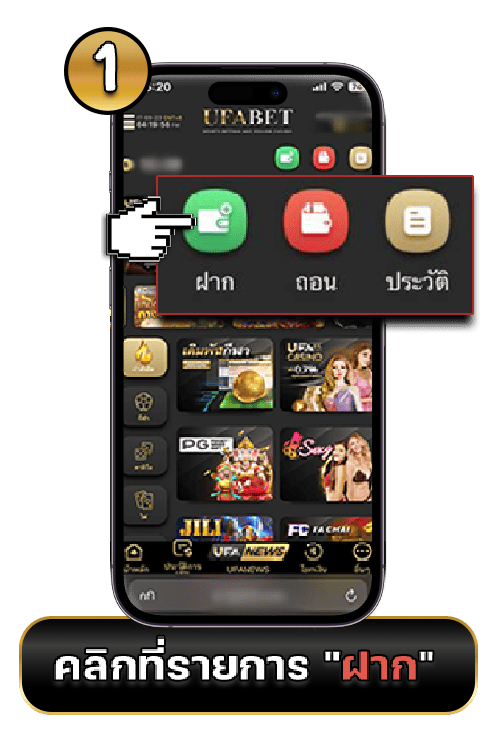
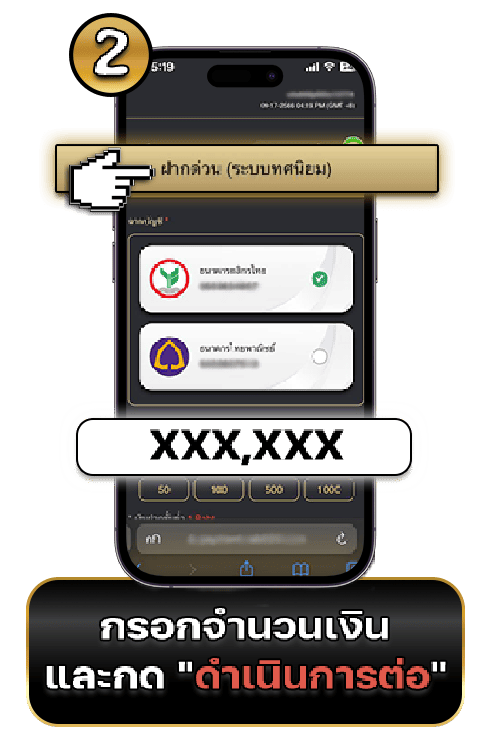
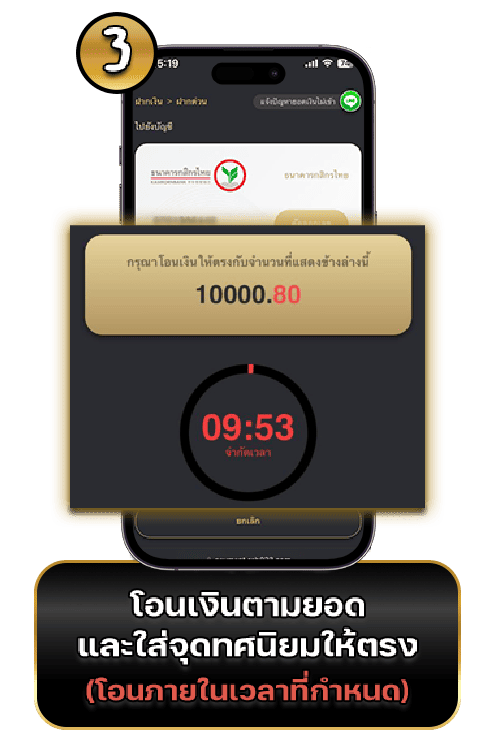
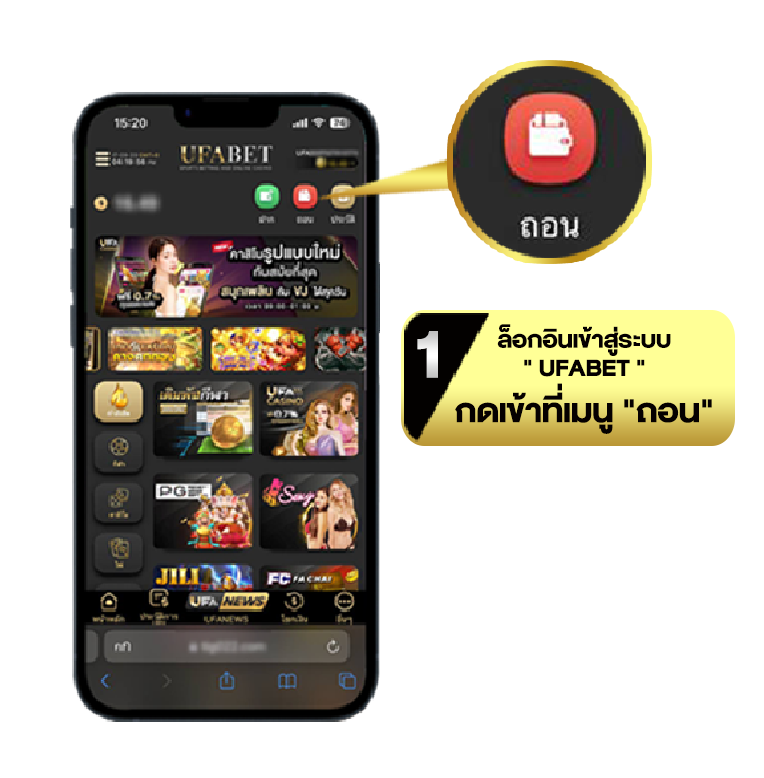
เข้าสู่ระบบสมาชิก UFABET
ล็อกอินผ่านมือถือหรือคอมพิวเตอร์ได้ทันที ระบบรองรับทั้ง iOS, Android และ Windowsเลือกเมนู “ฝากเงิน” หรือ “ถอนเงิน”
จากหน้าแดชบอร์ด เลือกช่องทางการทำธุรกรรมที่สะดวก เช่นMobile Banking
QR Code Payment
TrueMoney Wallet
ระบุยอดที่ต้องการทำรายการ
ระบบจะสร้างหมายเลขบัญชีเฉพาะหรือ QR Code สำหรับการฝากเงินโดยอัตโนมัติระบบปรับเครดิตอัตโนมัติ
เมื่อโอนเงินเสร็จ ระบบจะตรวจสอบและปรับยอดเครดิตให้ทันทีภายในไม่กี่วินาที ไม่ต้องส่งสลิป และไม่ต้องรอเจ้าหน้าที่ตรวจสอบขั้นตอนการถอนเงิน
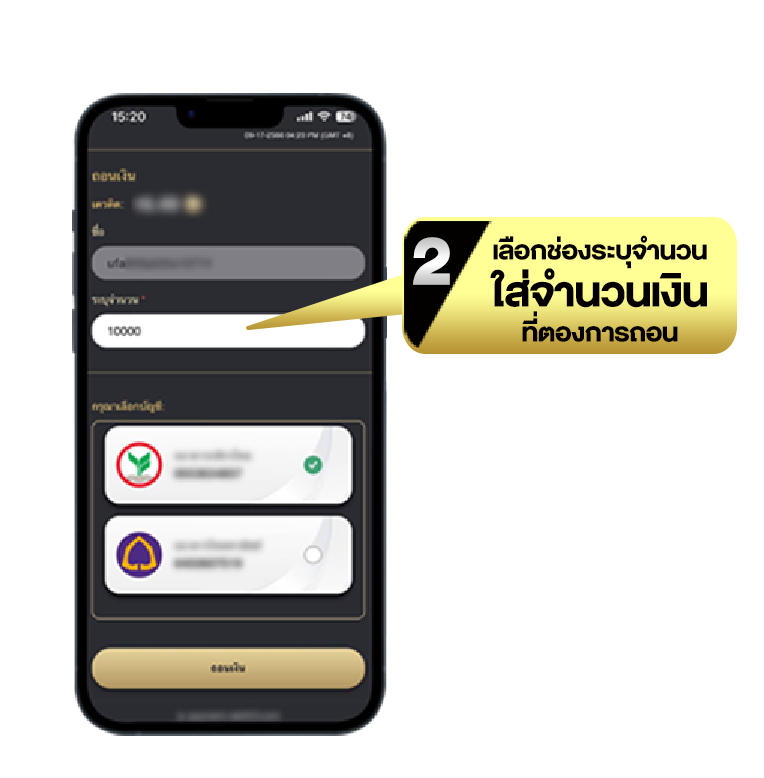
เลือก “ถอนเงิน” จากเมนูหลัก ใส่จำนวนเงินและบัญชีปลายทางที่ต้องการ ระบบจะโอนเงินให้โดยอัตโนมัติหลังจากตรวจสอบข้อมูล ใช้เวลาเพียง 1–3 นาทีเท่านั้น
ระบบทั้งหมดของ UFA Auto ได้รับการพัฒนาให้ทำงานร่วมกับระบบธนาคารชั้นนำของไทย เพื่อให้ทุกขั้นตอนรวดเร็ว ปลอดภัย และโปร่งใสในมาตรฐานเดียวกับสถาบันการเงินระดับสากล
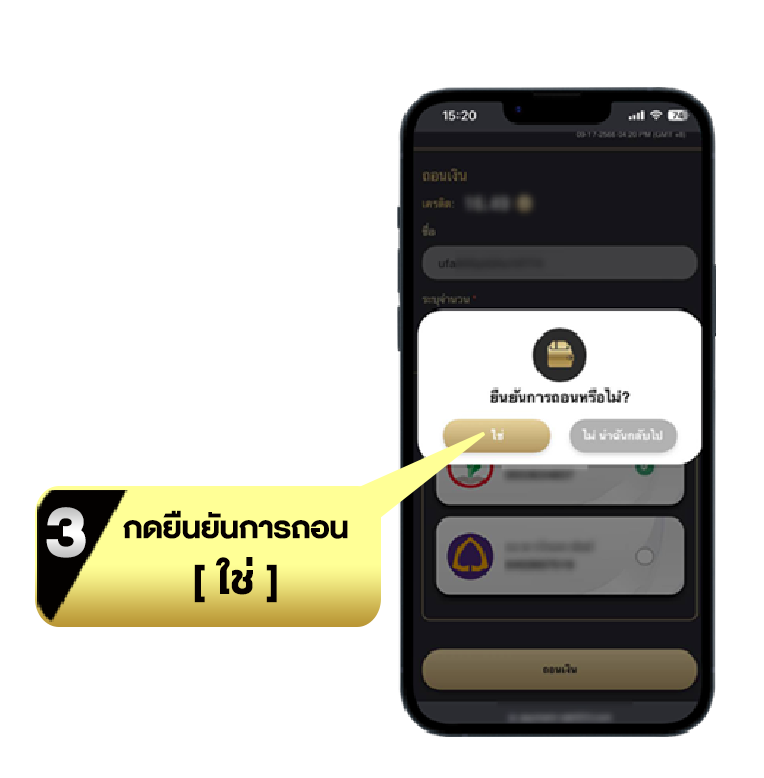
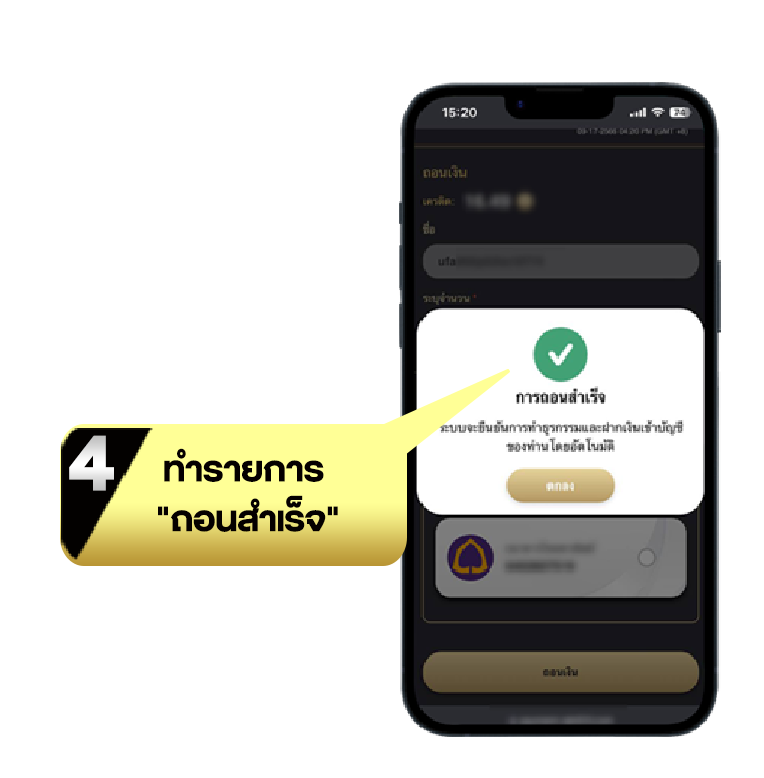
ระบบออโต้ เว็บยูฟ่า ความปลอดภัยระดับสากล
ฝาก–ถอนรวดเร็วแบบ Real-Time
ระบบประมวลผลทันทีหลังทำรายการ ใช้เวลาเพียงไม่กี่วินาทีในการอัปเดตยอดเครดิตรองรับทุกธนาคารและวอลเล็ทหลักในไทย
ครอบคลุมการทำรายการผ่าน กสิกรไทย, ไทยพาณิชย์, กรุงไทย, รวมถึง กระเป๋าเงินดิจิทัล (E-Wallet) เพื่อความสะดวกสูงสุดของผู้ใช้งานตรวจสอบอัตโนมัติ 24 ชั่วโมง
ผู้เล่นสามารถทำธุรกรรมได้ทุกเวลา ระบบจะตรวจจับและยืนยันการทำรายการโดยอัตโนมัติ ไม่ต้องรอการอนุมัติจากเจ้าหน้าที่ระบบความปลอดภัยระดับสถาบันการเงิน
ใช้เทคโนโลยีการเข้ารหัส AES-256 Bit และระบบ Tokenization เช่นเดียวกับบริษัท Fintech ชั้นนำ เพื่อปกป้องข้อมูลผู้ใช้งานและธุรกรรมทุกขั้นตอนอย่างเต็มรูปแบบ
ระบบธุรกรรม เว็บพนันยูฟ่า ความเร็วเหนือมาตรฐาน
จากสถิติการให้บริการย้อนหลัง 6 เดือน เว็บพนันยูฟ่าเบท มีเวลาเฉลี่ยในการทำธุรกรรมที่รวดเร็วกว่าเว็บทั่วไปอย่างชัดเจน โดยการ ฝากเงินใช้เวลาเฉลี่ยเพียง 19 วินาที และการ ถอนเงินเฉลี่ยเพียง 2 นาที 15 วินาที
เมื่อเปรียบเทียบกับระบบทั่วไปที่มักใช้เวลาประมาณ 5–10 นาทีต่อรายการ โดยเฉพาะช่วงที่มีผู้เล่นหนาแน่น จะเห็นได้ว่าระบบของ เว็บ UFA มีความได้เปรียบทั้งในด้าน ความเร็ว ความเสถียร และการตรวจสอบอัตโนมัติ ซึ่งเป็นหนึ่งในปัจจัยสำคัญที่ช่วยยกระดับประสบการณ์ของผู้เล่นให้ราบรื่นและเชื่อถือได้ในทุกขั้นตอน
สมัคร UFABET ง่ายเพียง 3 ขั้นตอน พร้อมสิทธิพิเศษสำหรับผู้เล่นใหม่
หนึ่งในเหตุผลสำคัญที่ทำให้ เว็บยูฟ่าเบทออนไลน์ ได้รับความนิยมสูง คือขั้นตอนการสมัครที่เรียบง่ายและรวดเร็ว ผู้เล่นสามารถเริ่มต้นใช้งานได้ทันทีภายในไม่กี่นาทีโดยไม่ต้องส่งเอกสารเพิ่มเติม ความสะดวกนี้เองที่ทำให้คำว่า “สมัครยูฟ่าเบท” ถูกพูดถึงอย่างต่อเนื่องทั้งในไทยและต่างประเทศ
จากรายงานของ eGaming Insight พบว่า เว็บไซต์ที่มีขั้นตอนสมัครไม่เกิน 3 คลิก มีอัตราการสมัครสำเร็จสูงกว่าค่าเฉลี่ยถึง 41% ซึ่งตรงกับแนวทางของ พนัน UFA ที่พัฒนาระบบให้ใช้งานง่าย ตอบสนองต่อความต้องการของผู้เล่นยุคใหม่ได้อย่างมีประสิทธิภาพ
สิ่งที่ต้องใช้ในการ สมัคร UFABET
การสมัครสมาชิกใช้เพียงข้อมูลพื้นฐาน ได้แก่
หมายเลขโทรศัพท์ที่สามารถรับรหัสยืนยัน (OTP)
บัญชีธนาคารที่ตรงกับชื่อจริงของผู้สมัคร เช่น กสิกรไทย ไทยพาณิชย์ หรือกรุงไทย
อายุ 18 ปีขึ้นไป
ไม่จำเป็นต้องส่งเอกสารเพิ่มเติม สามารถเริ่มต้นใช้งานได้ทันทีผ่านหน้าเว็บไซต์ UFA
ความปลอดภัยในการสมัครสมาชิก
ระบบ UFABET Member Login ใช้มาตรฐานการเข้ารหัส AES-256 Encryption เทียบเท่าธนาคารชั้นนำ พร้อมระบบยืนยันตัวตนแบบ OTP (One-Time Password) เพื่อป้องกันการเข้าถึงจากบุคคลภายนอก ผู้สมัครจึงมั่นใจได้ว่าข้อมูลส่วนตัวและธุรกรรมจะปลอดภัยตลอดการใช้งาน
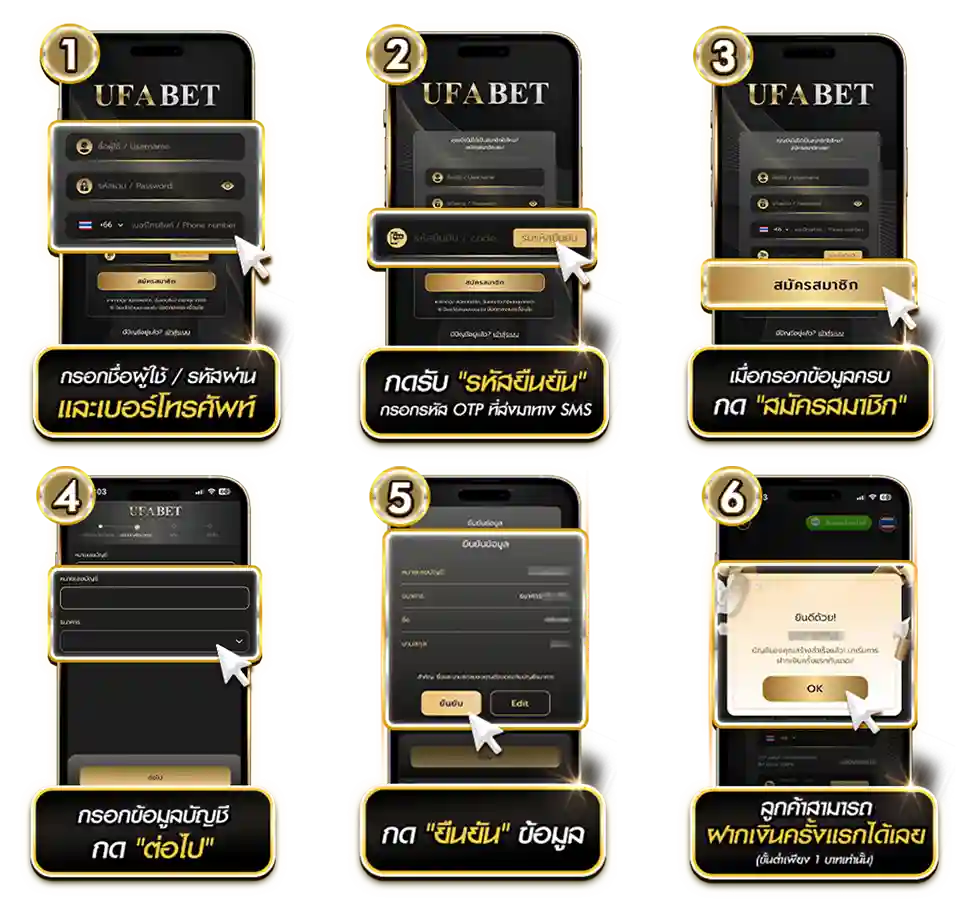
วิธีสมัครสมาชิก UFABET ง่ายใน 3 ขั้นตอน
กรอกข้อมูลเบื้องต้น
เข้าสู่หน้าเว็บไซต์หลักของ ยูฟ่าเบท แล้วกดปุ่ม “สมัครสมาชิก” จากนั้นกรอกข้อมูลที่จำเป็น ได้แก่ เบอร์โทรศัพท์ บัญชีธนาคารที่ตรงกับชื่อจริง และตั้งรหัสผ่านสำหรับเข้าใช้งานยืนยันตัวตนผ่านรหัส OTP
ระบบจะส่งรหัสยืนยัน (OTP) ไปยังหมายเลขโทรศัพท์ที่ลงทะเบียนไว้ เพียงกรอกรหัสเพื่อยืนยันความถูกต้องของข้อมูล เท่านี้ขั้นตอนการสมัครก็เสร็จสมบูรณ์อย่างปลอดภัยเข้าสู่ระบบอัตโนมัติ
หลังจากยืนยันข้อมูลเรียบร้อย ระบบจะพาผู้เล่นเข้าสู่บัญชีโดยอัตโนมัติ สามารถเติมเครดิตและเริ่มเดิมพันได้ทันที ไม่ว่าจะเป็น บาคาร่า สล็อตออนไลน์ หรือแทงบอลเว็บตรง ยูฟ่าเบท
โปรโมชันสมาชิกใหม่ ยูฟ่าเบท พร้อมโบนัส
โบนัสสมาชิกใหม่ 100%: ฝาก 100 รับ 200 ตามเงื่อนไขที่กำหนด และสามารถถอนเงินได้จริงเมื่อทำเทิร์นครบ
โปรเติมครั้งแรกของวัน รับเพิ่ม 10%: มีสิทธิ์รับได้ทุกวัน เพียงเติมเงินขั้นต่ำตามที่กำหนด
ทดลองเล่นฟรี: รองรับทั้ง คาสิโนสด, สล็อตออนไลน์ และเกมกีฬาเสมือนจริง (Virtual Sports)
เครดิตฟรีรายสัปดาห์: แจกให้ผ่านกิจกรรมพิเศษ โดยติดตามได้จาก LINE Official หรือหน้าเว็บไซต์
ระบบของ ยูฟ่า เบท ยังมี Notification Center ภายในบัญชีผู้ใช้ เพื่อแจ้งเตือนโปรโมชั่นใหม่ ๆ ประจำเดือน ทำให้สมาชิกไม่พลาดสิทธิประโยชน์ที่มีให้ตลอดเวลา
ระบบรักษาความปลอดภัยขั้นสูงของยูฟ่าเบท
เว็บเดิมพันออนไลน์ยูฟ่าเบท ให้ความสำคัญกับความปลอดภัยของข้อมูลและธุรกรรมทางการเงินเป็นอันดับแรก ทุกขั้นตอนของการสมัครและทำธุรกรรมจะถูกปกป้องด้วย Data Encryption Protocol มาตรฐานเดียวกับธนาคารชั้นนำ ข้อมูลทั้งหมดจะถูกเข้ารหัสทันทีเมื่อผู้ใช้กดยืนยัน และไม่ถูกนำไปใช้ในเชิงพาณิชย์หรือส่งต่อให้บุคคลภายนอก
ระบบยังมี Anomaly Detection ที่ทำงานร่วมกับ AI Security Engine เพื่อตรวจจับพฤติกรรมที่ผิดปกติ เช่น การเข้าสู่ระบบจากอุปกรณ์ที่ไม่เคยใช้งาน หรือกิจกรรมที่ขัดกับรูปแบบการใช้งานทั่วไป พร้อมทีมงานดูแลความปลอดภัยตลอด 24 ชั่วโมง เพื่อให้สมาชิกมั่นใจได้ว่าทุกการใช้งานอยู่ภายใต้การป้องกันขั้นสูงสุด
ยูฟ่าเบทบนมือถือ ระบบเดิมพันครบทุกฟังก์ชัน รองรับ iOS Android และ PC
การเล่นผ่านมือถือได้กลายเป็นหัวใจสำคัญของระบบเดิมพันยุคใหม่ และ ยูฟ่าเบท คือหนึ่งในเว็บพนันออนไลน์ที่พัฒนาแพลตฟอร์มด้วยแนวคิด Mobile-First Design โดยเน้นความเร็ว ความเสถียร และความสะดวกในการใช้งานเป็นหลัก ระบบรองรับทั้ง iOS, Android, และ PC โดยไม่จำเป็นต้องดาวน์โหลดแอปพลิเคชันเพิ่มเติม
รายงานจาก Global Betting UX Report ล่าสุดระบุว่า เว็บไซต์ที่โหลดหน้าแรกได้ภายใน 3 วินาที มีอัตราการใช้งานต่อเนื่องสูงขึ้นกว่า 53% และ Bounce Rate ลดลงมากกว่า 38% ซึ่งสอดคล้องกับแนวทางของ เว็บ UFA ที่มุ่งพัฒนาอินเทอร์เฟซให้เหมาะกับการใช้งานบนมือถือในทุกสภาพแวดล้อม
เว็บยูฟ่าเบทบนมือถือใช้งานได้หรือไม่?
ใช้งานได้ครบทุกฟังก์ชันอย่างเต็มรูปแบบ ผู้เล่นสามารถเข้าสู่ระบบได้ทันทีผ่านเบราว์เซอร์ เช่น Chrome หรือ Safari โดยไม่ต้องติดตั้งแอป ไม่ว่าจะเป็นการ แทงบอล UFABET, เล่นคาสิโนสด, สล็อตออนไลน์ยูฟ่า, หรือ เกมหวยออนไลน์ ทุกบริการทำงานได้ลื่นไหลเทียบเท่าการใช้งานบนคอมพิวเตอร์รองรับระบบใดบ้าง?
เว็บไซต์ของยูฟ่าเบทรองรับทุกระบบปฏิบัติการหลัก ไม่ว่าจะเป็น iOS, Android, Windows หรือ MacOS สามารถใช้งานได้ทั้งบนมือถือ แท็บเล็ต และคอมพิวเตอร์อย่างเต็มประสิทธิภาพระบบเสถียรแค่ไหน?
UFABET ใช้เทคโนโลยี Web Progressive App (PWA) ร่วมกับ Content Delivery Network (CDN) ระดับสากล เพื่อให้หน้าเว็บไซต์โหลดเร็วและมีความเสถียรสูง แม้ในพื้นที่ที่สัญญาณอินเทอร์เน็ตจำกัด ผู้เล่นจึงมั่นใจได้ในความต่อเนื่องของการเดิมพันทุกช่วงเวลา
ยูฟ่าเบทบนมือถือ ออกแบบเพื่อความสะดวกสูงสุด
ไม่ต้องติดตั้งแอปพลิเคชัน
ผู้เล่นสามารถเข้าใช้งานได้โดยตรงผ่านเว็บเบราว์เซอร์ เช่น Chrome, Safari หรือ Edge โดยไม่ต้องดาวน์โหลดหรือติดตั้งแอป เพิ่มความสะดวกในการเข้าเล่นและลดขั้นตอนการอัปเดตเวอร์ชันอินเทอร์เฟซที่ออกแบบตามหลัก User-Centered Design
เมนูและปุ่มควบคุมต่าง ๆ ถูกจัดวางให้เหมาะกับการใช้งานบนหน้าจอมือถือโดยเฉพาะ รองรับทั้งแนวตั้งและแนวนอน เพื่อให้การใช้งานในทุกหมวด เช่น คาสิโนสด ยูฟ่าเบท, สล็อตออนไลน์, หรือ แทงบอล UFABET เป็นไปอย่างราบรื่นและต่อเนื่องระบบป้องกันการหลุดระหว่างใช้งาน
โดยเฉพาะในโหมด คาสิโนสดบนมือถือ หากสัญญาณอินเทอร์เน็ตขาดหรือสะดุด ระบบจะทำการ Reconnect อัตโนมัติ เพื่อให้ผู้เล่นกลับเข้าสู่เกมได้ทันทีโดยไม่เสียสิทธิ์ในการเดิมพัน
ความเร็วและประสิทธิภาพของระบบ UFA
ระบบของ UFA เว็บพนันออนไลน์ ถูกออกแบบให้ตอบสนองต่อการใช้งานรวดเร็วและเสถียรสูง ด้วยเทคโนโลยี Page Preloading และระบบปรับภาพ–คอนเทนต์อัตโนมัติให้เหมาะกับอุปกรณ์ (Adaptive Rendering) ทำให้หน้าเว็บไซต์โหลดภายในเวลาเฉลี่ยเพียง 1.5 – 2.3 วินาที ทั้งบนเครือข่าย 4G และ Wi-Fi ซึ่งเร็วกว่าค่าเฉลี่ยของเว็บเดิมพันทั่วไปอย่างชัดเจน
นอกจากนี้ยังมีระบบ Cache Management ที่ช่วยให้หน้าเกมที่เคยเข้าเล่นโหลดซ้ำได้เร็วขึ้น พร้อมลดการใช้ดาต้าอินเทอร์เน็ต เหมาะอย่างยิ่งสำหรับผู้ที่ใช้งานผ่านมือถือเป็นประจำ
Example คู่มือการแทงบอลออนไลน์และแทงมวย R1 บนมือถือแบบครบวงจร
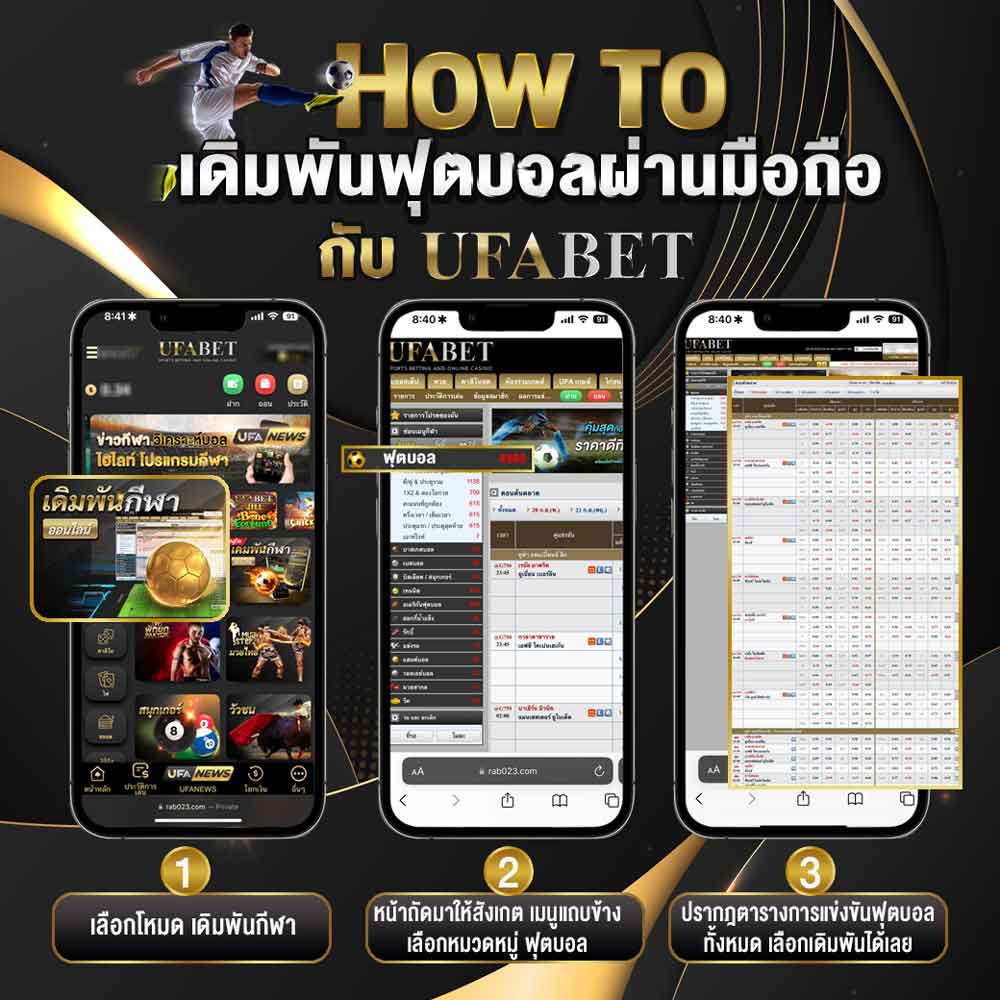
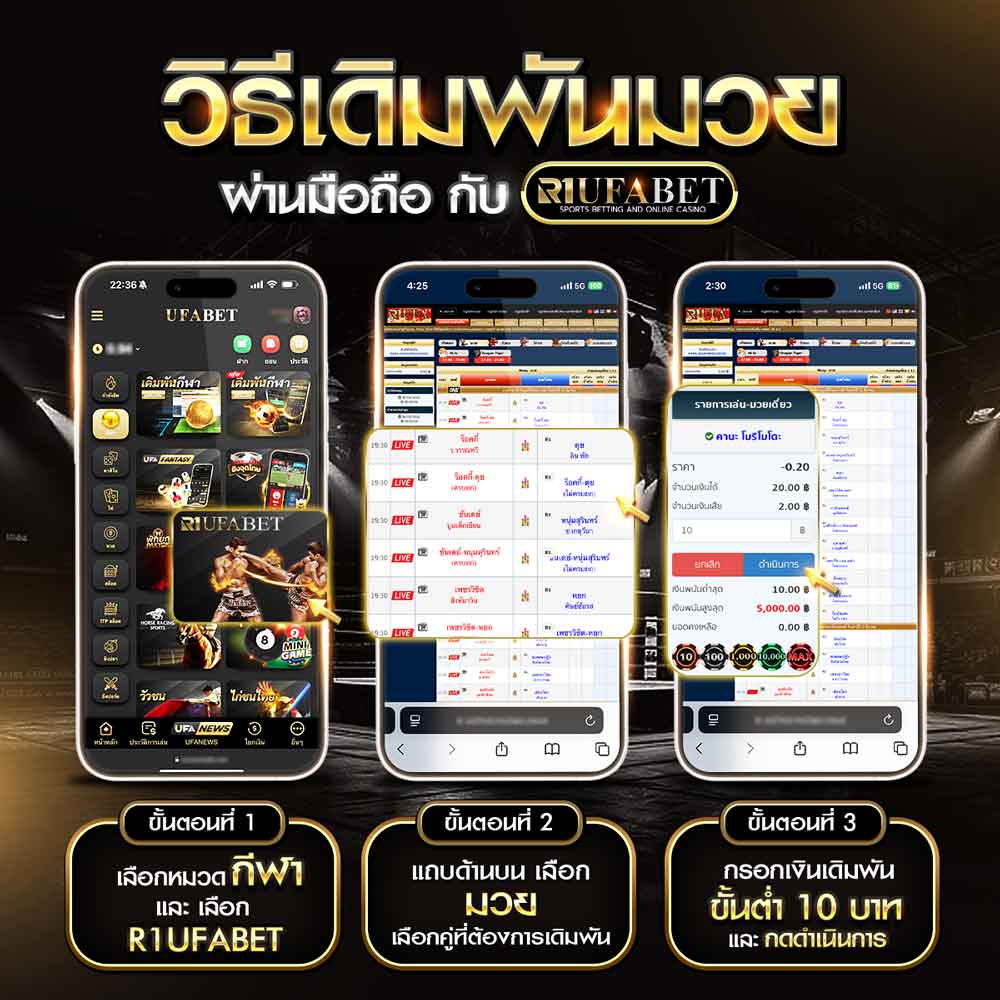
ระบบเกมยูฟ่าเบท เสถียร ปลอดภัย พร้อมรองรับผู้เล่นจำนวนมาก

แทงบอลออนไลน์
ระบบเดิมพันฟุตบอลของ ยูฟ่าเบท ออกแบบให้ราคาบอลและค่าน้ำอัปเดตแบบ เรียลไทม์ (Real-Time Odds Update) โดยไม่ต้องรีเฟรชหน้าเว็บ ผู้เล่นสามารถติดตามความเคลื่อนไหวของราคาทันทีในระหว่างแข่งขัน เพื่อวางเดิมพันได้อย่างแม่นยำและต่อเนื่อง

คาสิโนสดออนไลน์ UFA
การถ่ายทอดสดในหมวดคาสิโนของ UFA ใช้มาตรฐานภาพระดับ Full HD พร้อมเทคโนโลยี Adaptive Bitrate Streaming ที่ปรับคุณภาพของภาพและเสียงให้เหมาะสมกับความเร็วอินเทอร์เน็ตโดยอัตโนมัติ ทำให้การเล่นราบรื่น ไม่สะดุด และคมชัดทุกจังหวะ

สล็อตแตกง่าย บนมือถือ
เกมสล็อตของ ยูฟ่าเบท ผ่านการ Optimize ระบบเกม ให้ทำงานได้อย่างมีประสิทธิภาพบนทุกอุปกรณ์ ไม่ว่าจะเป็นมือถือ แท็บเล็ต หรือคอมพิวเตอร์ ผู้เล่นสามารถเข้าเล่นได้อย่างต่อเนื่องโดยไม่เด้งหลุดจากระบบ พร้อมกราฟิกและเอฟเฟกต์ที่คมชัดในทุกเวอร์ชันการใช้งาน
มาตรฐานความปลอดภัยและคุณภาพการบริการ ยูฟ่าเบท ที่ผู้เล่นเชื่อมั่น
ความมั่นใจในระบบ คือสิ่งที่ผู้เล่นให้ความสำคัญที่สุดในการใช้งานเว็บเดิมพันออนไลน์ โดยเฉพาะในส่วนที่เกี่ยวข้องกับข้อมูลส่วนบุคคลและธุรกรรมทางการเงิน ยูฟ่าเบท ได้รับการยอมรับอย่างต่อเนื่องว่าเป็นหนึ่งในเว็บไซต์ที่ให้ความสำคัญกับความปลอดภัยระดับสูงสุด ทั้งจากมุมมองของผู้เล่นและในเชิงเทคนิค ดูรายละเอียดได้ที่ คู่มือการใช้งาน UFABET
จากรายงานของ WebTrust Security Index ล่าสุด ยูฟ่าเบทได้รับคะแนนด้าน “ความปลอดภัยของข้อมูลผู้ใช้” และ “ความโปร่งใสในการทำธุรกรรม” มากกว่า 92% ซึ่งสูงกว่าค่าเฉลี่ยของเว็บไซต์ทั่วไปเกือบสองเท่า สะท้อนถึงความมุ่งมั่นในการพัฒนามาตรฐานความปลอดภัยที่ผู้เล่นสามารถตรวจสอบได้จริง
ยูฟ่าเบทปลอดภัยจริงหรือไม่?
ระบบของ UFABET มีการป้องกันหลายชั้น ตั้งแต่การเข้ารหัส SSL Protocol, ระบบ AES-256 Bit Encryption, การยืนยันตัวตนแบบ OTP (One-Time Password) ไปจนถึงระบบ Real-Time Behavior Detection ที่ตรวจสอบกิจกรรมของบัญชีผู้ใช้ตลอดเวลา มาตรฐานทั้งหมดนี้เทียบเท่ากับระบบความปลอดภัยของธนาคารชั้นนำระดับโลกข้อมูลผู้เล่นถูกจัดเก็บอย่างไร?
ข้อมูลทั้งหมด ตั้งแต่หมายเลขโทรศัพท์ บัญชีธนาคาร ไปจนถึงประวัติการทำรายการ จะถูกเข้ารหัสแบบ End-to-End Encryption และจัดเก็บใน Isolated Data Vault ซึ่งเป็นระบบแยกจากฐานข้อมูลหลัก เพื่อป้องกันการเข้าถึงจากบุคคลภายนอกและเพิ่มความปลอดภัยในระดับสูงสุดหากเกิดปัญหาการใช้งานทำอย่างไร?
สมาชิกสามารถติดต่อทีม Support 24 ชั่วโมง ได้โดยตรงผ่าน LINE Official เจ้าหน้าที่จริงพร้อมให้ความช่วยเหลือทุกกรณี ไม่ว่าจะเป็นปัญหาด้านระบบ การฝาก–ถอน หรือการใช้งานทั่วไป เพื่อให้มั่นใจได้ว่าผู้เล่นจะได้รับการดูแลอย่างมืออาชีพตลอดเวลา
SSL Certificate ระดับ EV (Extended Validation)
เว็บไซต์ผ่านการตรวจสอบตัวตนและการรับรองความถูกต้องจากผู้ให้บริการที่ได้รับการยอมรับทั่วโลก เช่น DigiCert และ Sectigo เพื่อยืนยันความปลอดภัยของการเชื่อมต่อทุกครั้งAES-256 Encryption
เทคโนโลยีเข้ารหัสมาตรฐานสูงสุดที่ใช้โดยหน่วยงานด้านความมั่นคงทั่วโลก ป้องกันการเข้าถึงข้อมูลโดยไม่ได้รับอนุญาตในทุกชั้นของระบบ2-Factor Authentication (2FA)
เพิ่มการยืนยันตัวตนแบบสองขั้นตอน เพื่อป้องกันการเข้าสู่บัญชีโดยไม่ได้รับอนุญาต แม้รหัสผ่านจะรั่วไหลก็ตามAI Anti-Fraud Detection
ระบบวิเคราะห์พฤติกรรมผู้ใช้งานแบบอัตโนมัติด้วย Machine Learning เพื่อตรวจจับความผิดปกติ เช่น การล็อกอินจากหลายประเทศพร้อมกัน การใช้บอท หรือพฤติกรรมที่อาจบ่งชี้การทุจริต
ยูฟ่าเบทเซอร์วิส ให้ความสำคัญกับ “การดูแลโดยเจ้าหน้าที่จริง” มากกว่าการใช้ระบบอัตโนมัติ ทีมงานทุกคนผ่านการอบรมด้านเทคนิค การให้คำปรึกษา และการจัดการบัญชีลูกค้าอย่างมืออาชีพ
ติดต่อได้ผ่าน LINE Official Account ที่ผ่านการยืนยันตัวตน
ทีมงานทำงานตลอด 24 ชั่วโมง แบ่งการดูแลเป็น 3 กะ ไม่มีวันหยุด
มีระบบ High-Priority Case สำหรับเหตุฉุกเฉินหรือต้องการการช่วยเหลือเร่งด่วน
ทุกการติดต่อของลูกค้าจะได้รับการตอบกลับโดยเจ้าหน้าที่จริงภายในเวลาสั้นที่สุด เพื่อให้มั่นใจได้ว่า การใช้งานจะไม่สะดุดแม้แต่วินาทีเดียว
Bot Detection Engine ตรวจจับรูปแบบการกดซ้ำ การเคลื่อนไหวของเมาส์ หรือความเร็วในการคลิกที่ไม่เป็นธรรมชาติ
IP Blacklist & Geo-Fencing ปิดกั้นการเข้าถึงจากพื้นที่ที่มีความเสี่ยงสูงหรือต้องสงสัย
Session Monitoring เฝ้าระวังการเข้าสู่ระบบแบบเรียลไทม์ หากพบการล็อกอินจากหลายอุปกรณ์พร้อมกัน ระบบจะบล็อกการใช้งานทันทีและแจ้งเตือนเจ้าของบัญชี
ด้วยการผสานเทคโนโลยีระดับสูงและการดูแลจากทีมผู้เชี่ยวชาญตลอด 24 ชั่วโมง ทำให้ UFA BET เป็นหนึ่งในเว็บเดิมพันออนไลน์ที่มีมาตรฐานด้านความปลอดภัยและความโปร่งใสสูงที่สุดในอุตสาหกรรม
สรุปข้อดีของ เว็บยูฟ่าเบท เว็บพนันครบวงจร คุ้มค่าที่สุดในที่เดียว
ยูฟ่าเบท ถูกยกให้เป็นมาตรฐานของเว็บเดิมพันครบวงจรในประเทศไทย ด้วยระบบที่รองรับการเล่นได้หลากหลายหมวด และโครงสร้างการให้บริการที่เน้นทั้ง ความมั่นคง ความโปร่งใส และความปลอดภัยในทุกขั้นตอน
ข้อมูลจากการจัดอันดับล่าสุดของอุตสาหกรรมเกมออนไลน์ในไทยระบุว่า เว็บพนัน UFA มีฐานผู้ใช้งานเพิ่มขึ้นเฉลี่ยปีละ 24% และมี อัตราการกลับมาใช้งานซ้ำ (Retention Rate) สูงถึง 68% ซึ่งมากกว่าค่าเฉลี่ยของตลาดเกือบสองเท่า ตัวเลขเหล่านี้สะท้อนถึงคุณภาพของระบบและความไว้วางใจจากผู้เล่นอย่างแท้จริง
ยูฟ่าเบท เหมาะกับใคร?
UFABET เหมาะสำหรับทั้งผู้เล่นทั่วไปที่ต้องการระบบเข้าใจง่าย และนักเดิมพันที่เน้นการวิเคราะห์เชิงลึก ระบบมีเครื่องมือช่วยวางแผนเดิมพันและระบบคำนวณผลที่โปร่งใส พร้อมค่าน้ำที่คุ้มค่าและโปรโมชั่นต่อเนื่อง เหมาะกับผู้ที่มองหาผลตอบแทนระยะยาวอย่างมั่นคงยูฟ่าเบท มีเกมอะไรให้เล่นบ้าง?
เว็บยูฟ่าเบทเปิดให้บริการครบทุกหมวดเกมเดิมพัน ไม่ว่าจะเป็น
แทงบอลยูฟ่าเบท ด้วยราคาน้ำที่อัปเดตแบบเรียลไทม์
คาสิโนสด ถ่ายทอดจากสตูดิโอจริงระดับสากล
สล็อตออนไลน์ และเกมยิงปลา ที่ผ่านการรับรอง RTP มาตรฐาน
หวยออนไลน์ ครบทั้งไทยและต่างประเทศ
รวมถึง กีฬาเฉพาะทาง เช่น วัวชน ไก่ชน และมวยไทย ถ่ายทอดสดจากสนามจริง
ทุกบริการถูกรวมไว้ในระบบเดียว ทำให้ผู้เล่นสามารถสลับหมวดเกมได้อย่างราบรื่นโดยไม่ต้องเปลี่ยนบัญชี
- เกมครบวงจรในระบบเดียว
ยูฟ่าเบทรวมทุกหมวดการเดิมพันไว้ครบถ้วน ทั้ง คาสิโนสดต่างประเทศ, สล็อตออนไลน์จากค่ายชั้นนำ, แทงบอลทุกลีกทั่วโลก, ไปจนถึง กีฬาท้องถิ่นยอดนิยม อย่างวัวชนและไก่ชน ทุกบริการเชื่อมต่ออยู่ในระบบเดียว ไม่ต้องเปลี่ยนบัญชีให้ยุ่งยาก - ระบบเสถียรและใช้งานง่าย
เว็บไซต์พัฒนาโดยใช้เทคโนโลยี Progressive Web App (PWA) และโครงสร้าง Content Delivery Network (CDN) ระดับสากล ช่วยให้หน้าเว็บโหลดเร็ว เล่นได้ลื่นไหลทั้งบนมือถือและคอมพิวเตอร์ ไม่สะดุดแม้ในช่วงที่มีผู้เล่นหนาแน่น - โปรโมชั่นคุ้มค่าตลอดปี
มอบความคุ้มค่าให้ผู้เล่นด้วยโปรโมชันต่อเนื่อง เช่น โบนัสสมาชิกใหม่ 100%, โบนัสเติมรายวัน, คืนค่าคอมมิชชัน 0.5% ทุกยอดเดิมพัน, และกิจกรรมแจกของรางวัลพิเศษประจำเดือน - ระบบฝาก–ถอนอัตโนมัติ
ทำรายการได้เองโดยไม่ต้องส่งสลิป รองรับทุกธนาคารในประเทศไทย และการชำระเงินผ่าน QR Code Payment ใช้เวลาเพียง 30 วินาที ระบบจะปรับเครดิตให้อัตโนมัติทันที - ทีมซัพพอร์ตตลอด 24 ชั่วโมง
มีเจ้าหน้าที่จริงคอยให้บริการผ่าน LINE Official ตลอดทั้งวัน ตอบกลับรวดเร็ว แก้ไขปัญหาได้ตรงจุด และพร้อมให้คำแนะนำกับผู้เล่นทุกระดับ
เว็บพนันยูฟ่าเบท ไม่ได้เป็นเพียงเว็บพนันทั่วไป แต่เป็นระบบเดิมพันออนไลน์ที่พัฒนาโดยใช้แนวคิด “เทคโนโลยีเพื่อผู้เล่น” ผสมผสานระหว่างโครงสร้างระบบสมัยใหม่และความเข้าใจในพฤติกรรมของผู้ใช้งานจริง ทีมบริหารให้ความสำคัญกับประสบการณ์ของทั้งผู้เล่นสายบันเทิงและนักลงทุนที่มุ่งสร้างผลตอบแทนในระยะยาว
ทุกบริการของยูฟ่าเบทถูกออกแบบเพื่อให้ผู้ใช้งานได้รับความสะดวกสูงสุดโดยไม่ต้องปรับตัว ไม่ว่าจะเล่นเพื่อความสนุกในเวลาว่าง หรือวางแผนเพื่อสร้างรายได้จริง เว็บยูฟ่าเบทออนไลน์ คือจุดเริ่มต้นของการเดิมพันที่ ครบ จบ และคุ้มค่าที่สุดในระบบเดียว
Lorem ipsum dolor sit amet, consectetur adipiscing elit. Ut elit tellus, luctus nec ullamcorper mattis, pulvinar dapibus leo.